
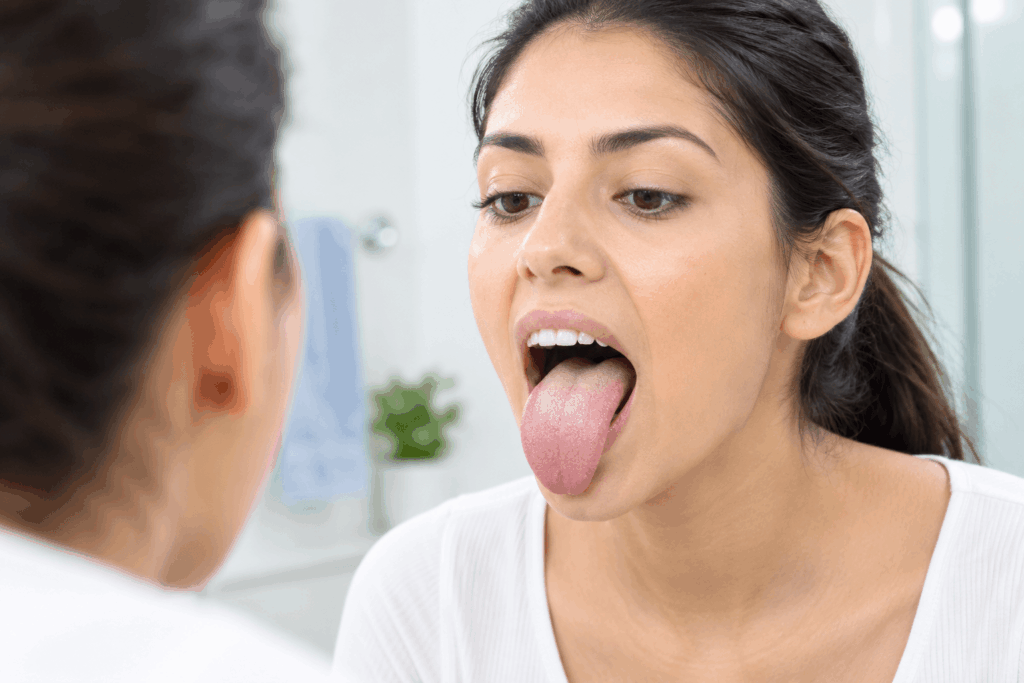
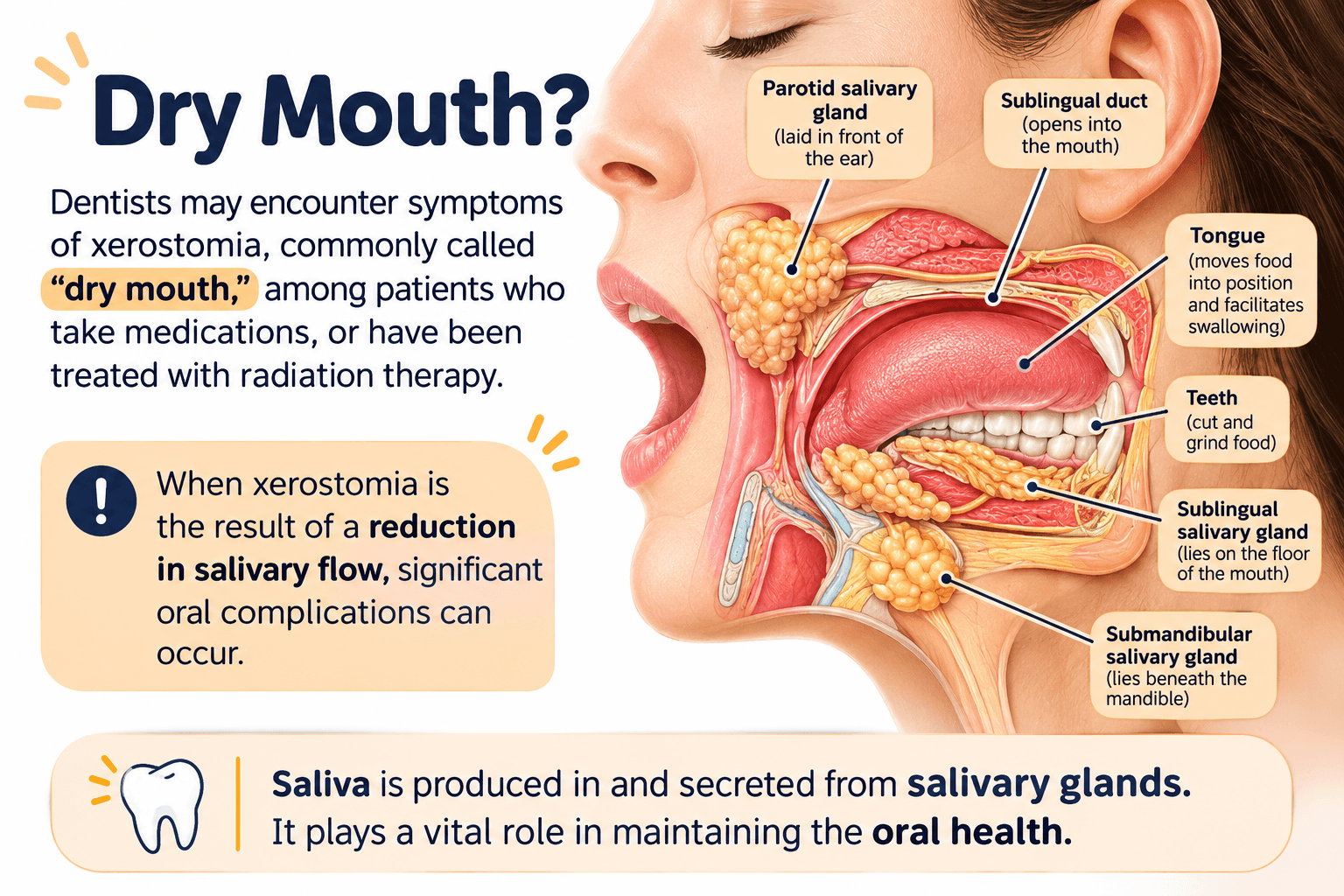
A healthy mouth needs saliva to stay comfortable. It helps moisten food, makes swallowing easier and washes away bacteria that can affect your teeth. When saliva levels decrease, you may experience dryness, discomfort or difficulty eating.
The medical term for dry mouth is xerostomia. It can affect your daily activities, including speaking, chewing and swallowing. However, proper care and healthy habits can help control this condition.
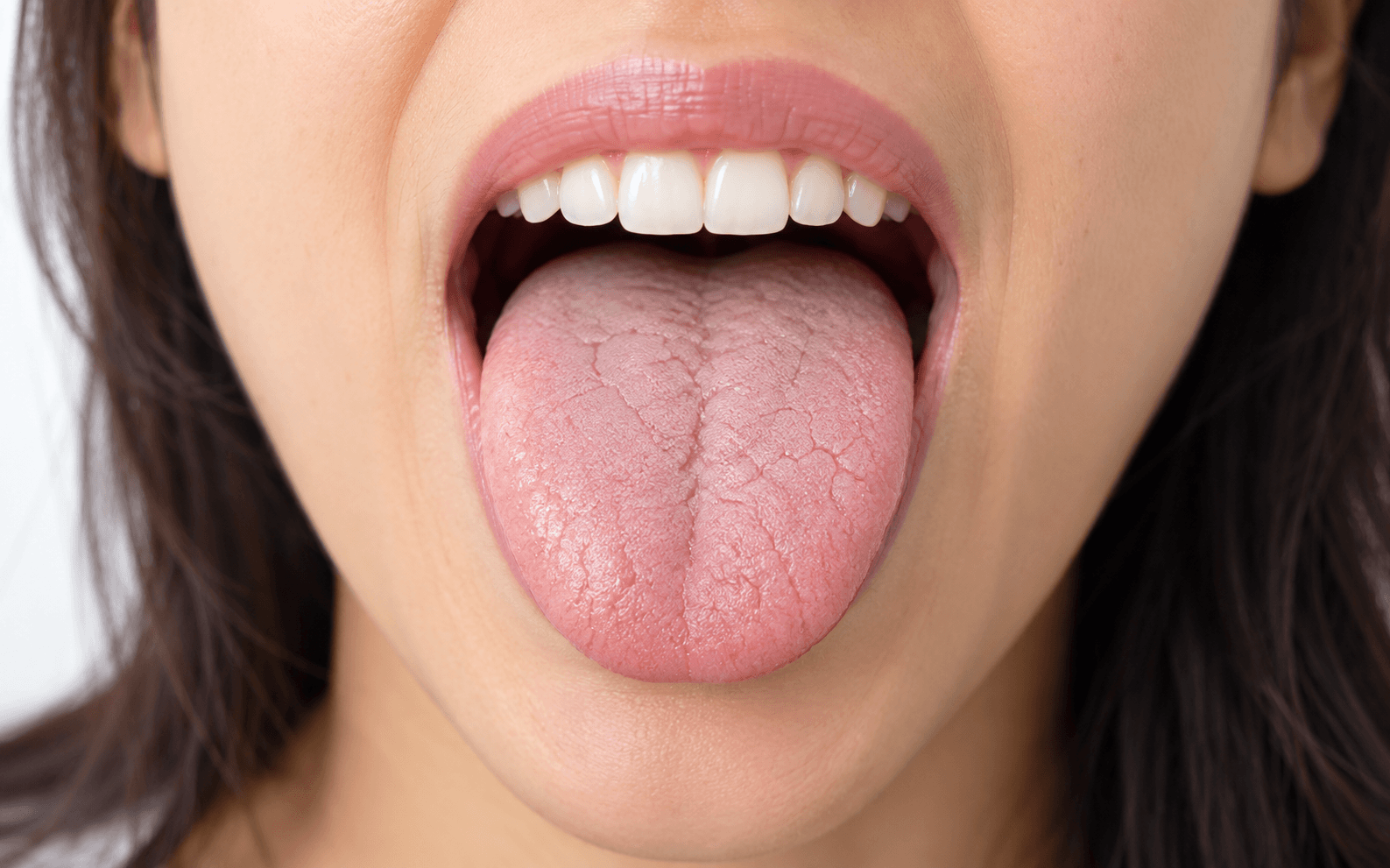
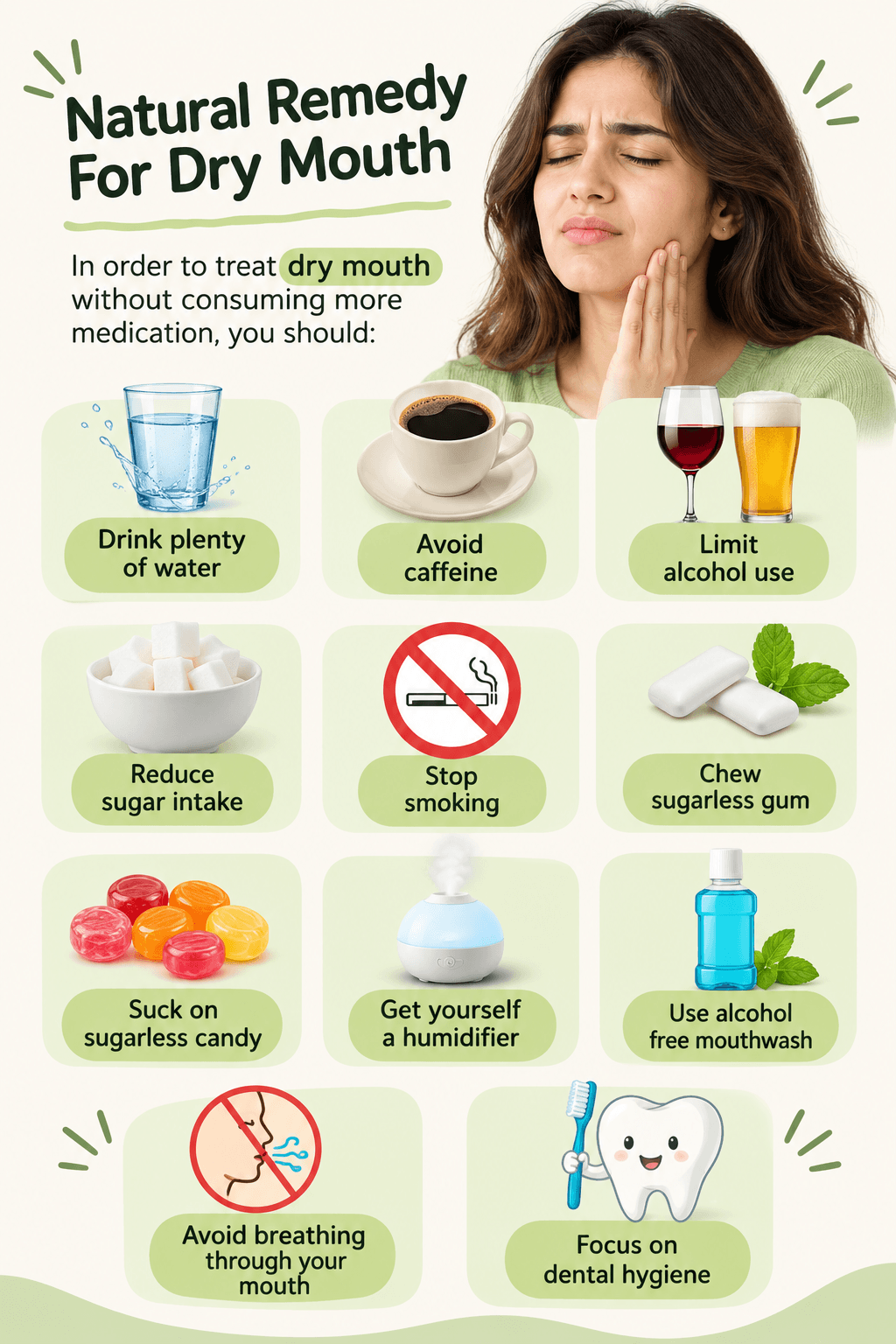 There are ways to keep your mouth wet by saliva and they include-
These include:
What causes DryMouth?
- Several health conditions, medicines and daily habits can reduce saliva production. The common causes include:
- Medicines: Certain medicines for allergies, blood pressure and depression can cause dry mouth.
- Dehydration: Not drinking enough water can reduce moisture inside your mouth.
- Ageing: Older adults may experience dryness due to health conditions or regular medicines.
- Cancer treatment: Radiation therapy around the head and neck can affect the salivary glands.
- Tobacco use: Using tobacco, whether by smoking or chewing it, can disturb normal saliva production and increase the chances of oral health problems.
Dry mouth can occur due to many health issues and bad routine habits like:
- anxiety
- Depression
- stress
- HIV/AIDS
- Improper care diabetes
- sleeping with the mouth open
- Bad Snoring habits
- stroke
What are the Symptoms of Dry Mouth?
Signs and symptoms of dry mouth may include:- bad breath
- inflammation that occurs in the gumline
- cracking in the lips.
- dryness in the mouth
- taste disorders
- fungal infections
- painful tongue
- Less intake of water
- burning of the tongue
- tongue ulcers
- gum disease
- tooth decay and high build-up of plaque
- problem in speaking
- problems swallowing and
- a salivary gland infection
- a sore throat
- sticky saliva
- stringy saliva
Dry mouth Remedies
There are ways to keep your mouth wet by saliva and they include-
These include:
- Try sipping sugar-free fluids
- Chewing gum
- use a mouthwash that will help
- Use an alcohol- free mouthwash
- If you have dentures, do not wear them while sleeping.
- Eating healthy food
- Breathe through the nose
- chewing or smoking tobacco
- sugary eatery items and beverages
- acidic foods or drinks
- dry foods
- spicy foods
- astringents
- excessively hot or cold drinks
Dry mouth Treatment
Dry mouth treatment depends on many factors and oral problems and other intakes of medication that causes dry mouth. If an underlying cause is found, steps need to be taken to minimize its effect.Medications
In the case of consuming medications, the dentist will alter by prescribing a dose or drug that will likely reduce the problem of dry mouth.Stimulating saliva production:
The dentist will prescribe medications to stimulate the production of saliva. There is various treatment available for dry mouth:- Increase in the flow of saliva
- replacing lost gland secretions
- controlling dental caries
Diagnosis
As you visit the dental clinic, the dentist will firstly go through the examination of the mouth and search for the signs and symptoms. Once, they detect the problem of dry mouth. They will plan immediately for the treatment. Blood tests and imaging scans of the salivary glands may also be ordered if necessary. Sialometry: In this procedure, the dentist will measure the flow rate of saliva. Saliography: It is the examination of the salivary glands and ducts done by using a radiographic instrument. It will be useful to identify the problem. Biopsy: In this procedure, the dentist will firstly take a sample of the saliva to suspect the cause. If cancer is suspected, the doctor may also order a biopsy.What is xerostomia?
Dry mouth is referred to as xerostomia. Xerostomia is caused due to the improper flow of salivary glands. It is difficult for the individual to enjoy the type of food they want. Xerostomia is a very common problem seen in the majority of the people. Hence, it is a side effect of medication that people in-take it and can be improved with a new prescription or with a new dose. Dry mouth problem is very common in people and occurs in different situations like when we are upset, stressed, or frightened. Xerostomia is different from dry mouth. Xerostomia occurs when the individual’s mouth is always dry. Patients experience dry mouth problems due to medication. It is experienced in older adults. Medication is the main reason for the loss of saliva in older adults and hence, has to be cured because many other problems are associated with it.Expert opinion
- Dr. Manan Dhulia Dental Director of Sabka dentist says “Dry mouth is a major problem that may cause problems like bad breath. Hence, prior precaution is necessary to take by the dentist.”


