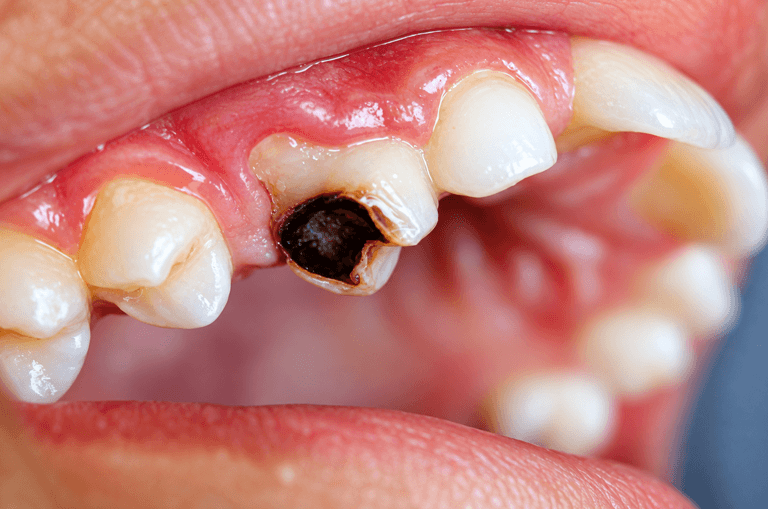
What are teeth cavities?
A
cavity is damage of the tooth due to acids formed by bacteria. When bacteria overgrow in one’s mouth, they will start to produce an acid which affects a harder layer of the tooth. If it is left unchecked, it will go further deep and spread infection.
Symptoms of teeth cavity:
- Tooth sensitivity
- Tooth pain
- A visible hole in your teeth
- Black or white stain on your teeth
Process of Tooth cavity:
Enamel is the hard layer of the tooth and it is designed to protect the tooth. The next layer after the enamel is called dentin, it’s a softer layer. The pulp is the innermost layer of the tooth that contains nerves and blood vessels. It is the living part of the tooth and gives strength to the tooth.
Sugars or carbohydrates in the food can nourish bacteria that cause in forming acid. The acid attacks the enamel in the tooth’s outer surface. This process is called demineralization. After this procedure, it appears as a chalky white spot.
At this stage, the decay process can preventable with the right amount of treatment. Using fluorides at home and in the dentist’s clinic can help the tooth repair itself.
Demineralization continues. Enamel starts to break down. Once the enamel surface gets damaged, the tooth cannot be repaired by itself. The cavity has to be cleaned and restored by filling materials.
The infection reaches into the dentin, where it can spread and the cavity and causes pain.
If decay is not treated at the right time, it will penetrate to the tooth’s pulp. This is where the tooth’s nerves and blood vessels are found. The pulp becomes infected. An
abscess (swelling) or a fistula (opening to the surface of the gum) can form in the soft tissues.
What causes the cavity:
- First and foremost, the reason for the cavity is lack of oral hygiene.
- The sugar contained foods and beverages to encourage cavity formation.
- An existing decayed tooth may spread the infection to other teeth.
- Food particle if they remain uncleaned becomes extra players to the cavity forming team.
- Dry mouth.
- Some genetic issues also cause the cavity.
How to treat the Cavity?
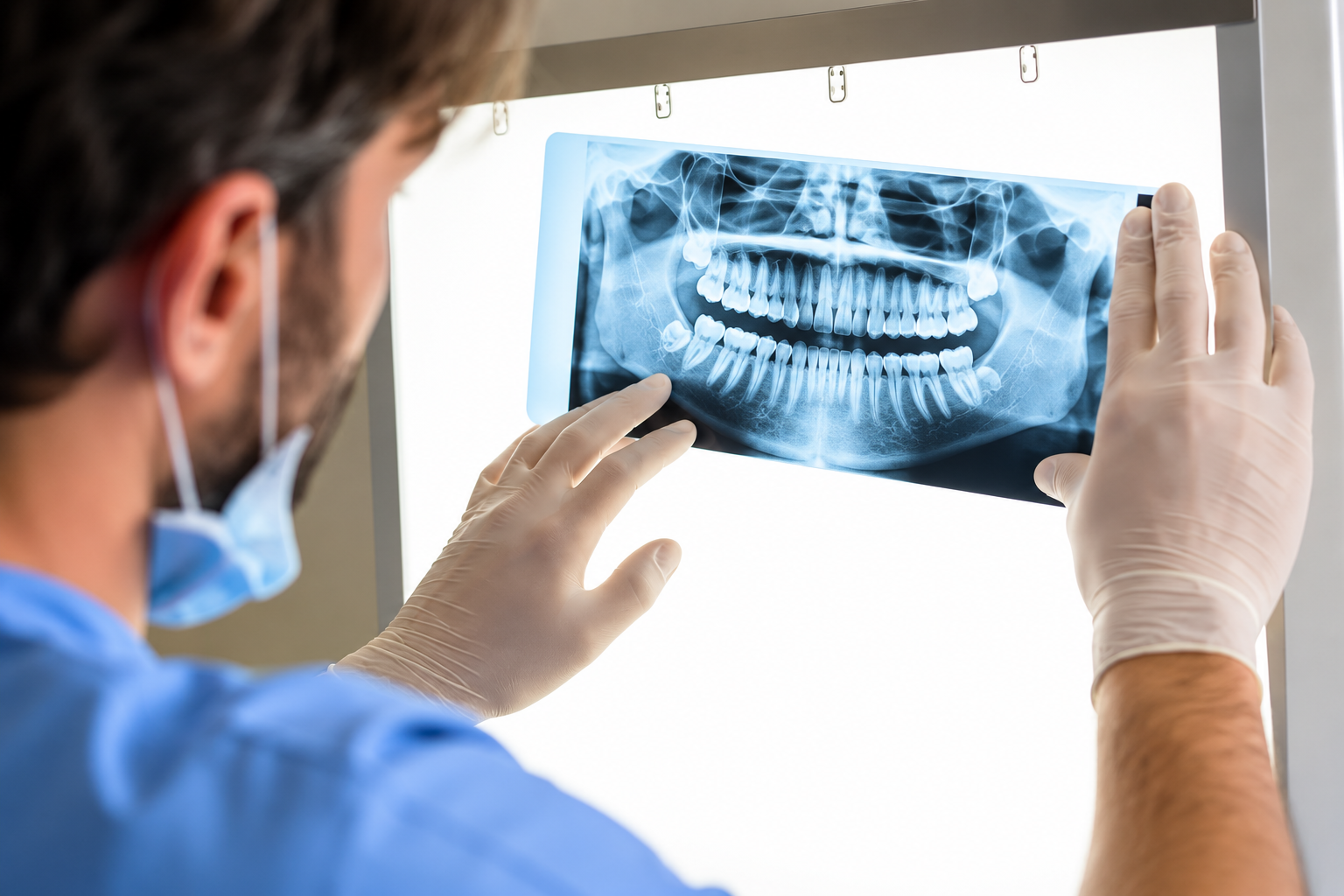
Discuss with your dentist about your symptoms. He/she will identify the cavities after a dental checkup. Although some cavities are not visible, hence a dental checkup may incorporate an x-ray.
Treatment for a cavity depends upon the severity. Below are some treatments mentioned depending upon the severity.
How should I treat the cavity?
The first step to treat the cavity is taking the appointment to the dentist. Your dentist will check how deep is the cavity and makes the treatment plan.
Sometimes the depth of the cavity is difficult to analyze by just visual examination. The dentist will take the X-ray for a better examination of the decay. It allows a dentist to make the best treatment plan.
How will my cavity be treated?
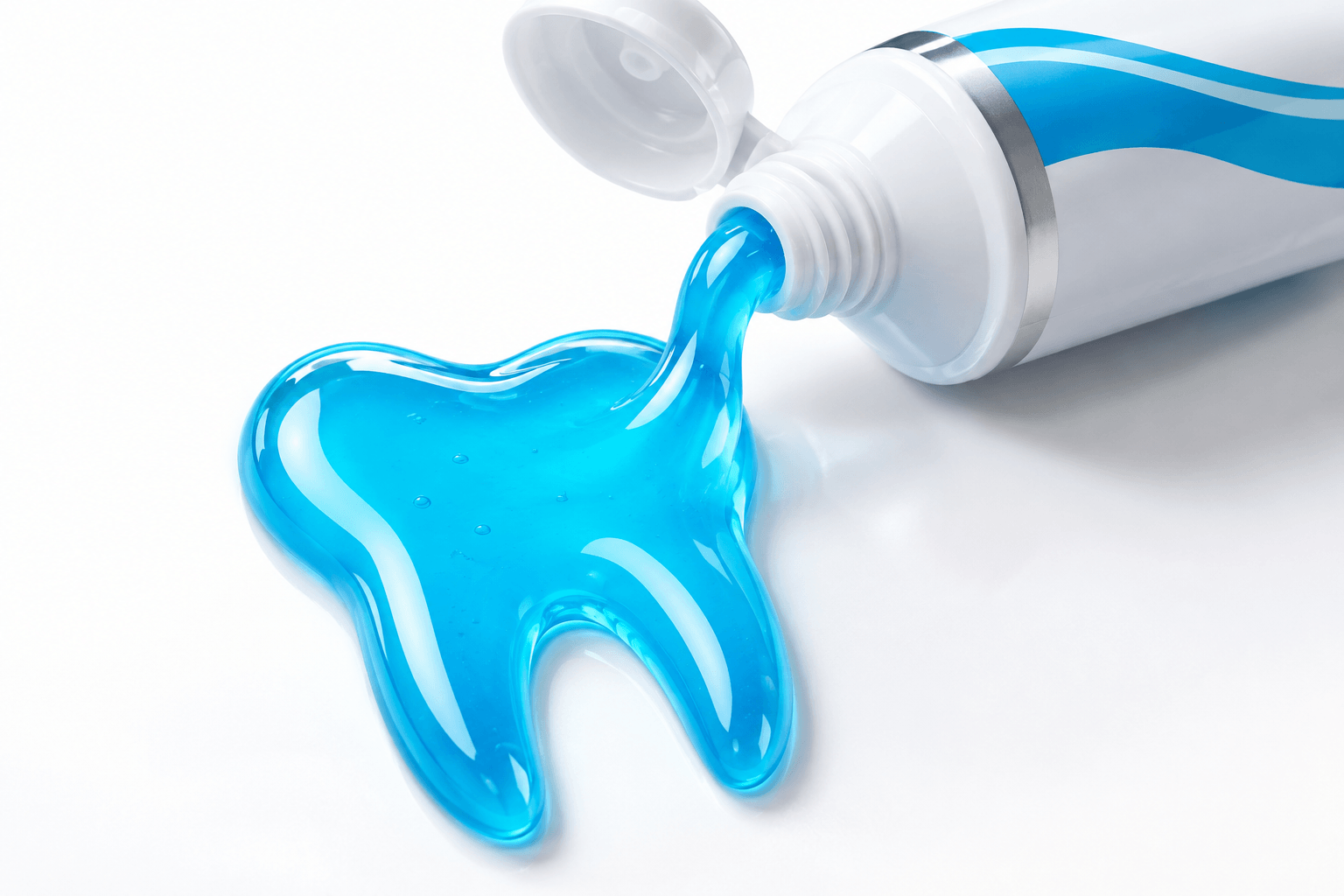
If your cavity just started, a fluoride treatment may help repair your tooth’s enamel and can sometimes reverse a cavity in the very early stages.
Professional fluoride treatments contain more fluoride than the amount found in tap water, toothpaste and mouth rinses. Fluoride treatments may be liquid, gel, foam or varnish that’s brushed onto your teeth or placed in a small tray that fits over your teeth.
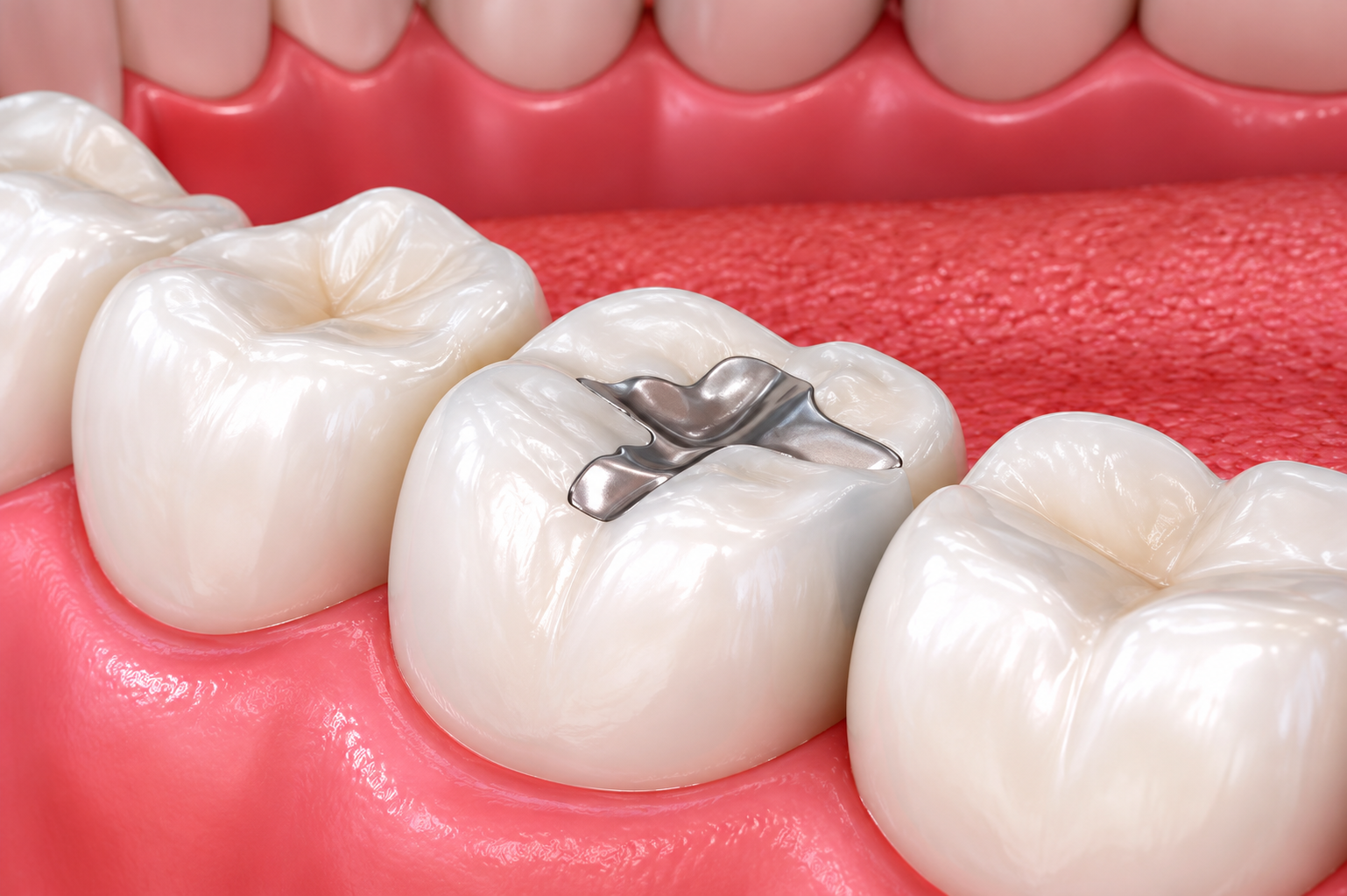
 Fillings
 also called tooth restorations. These are the main treatment option when decay has progressed beyond the early stage. Fillings are made of various substances, such as tooth-shaded composite resins, porcelain or dental amalgam that is a combination of several materials.
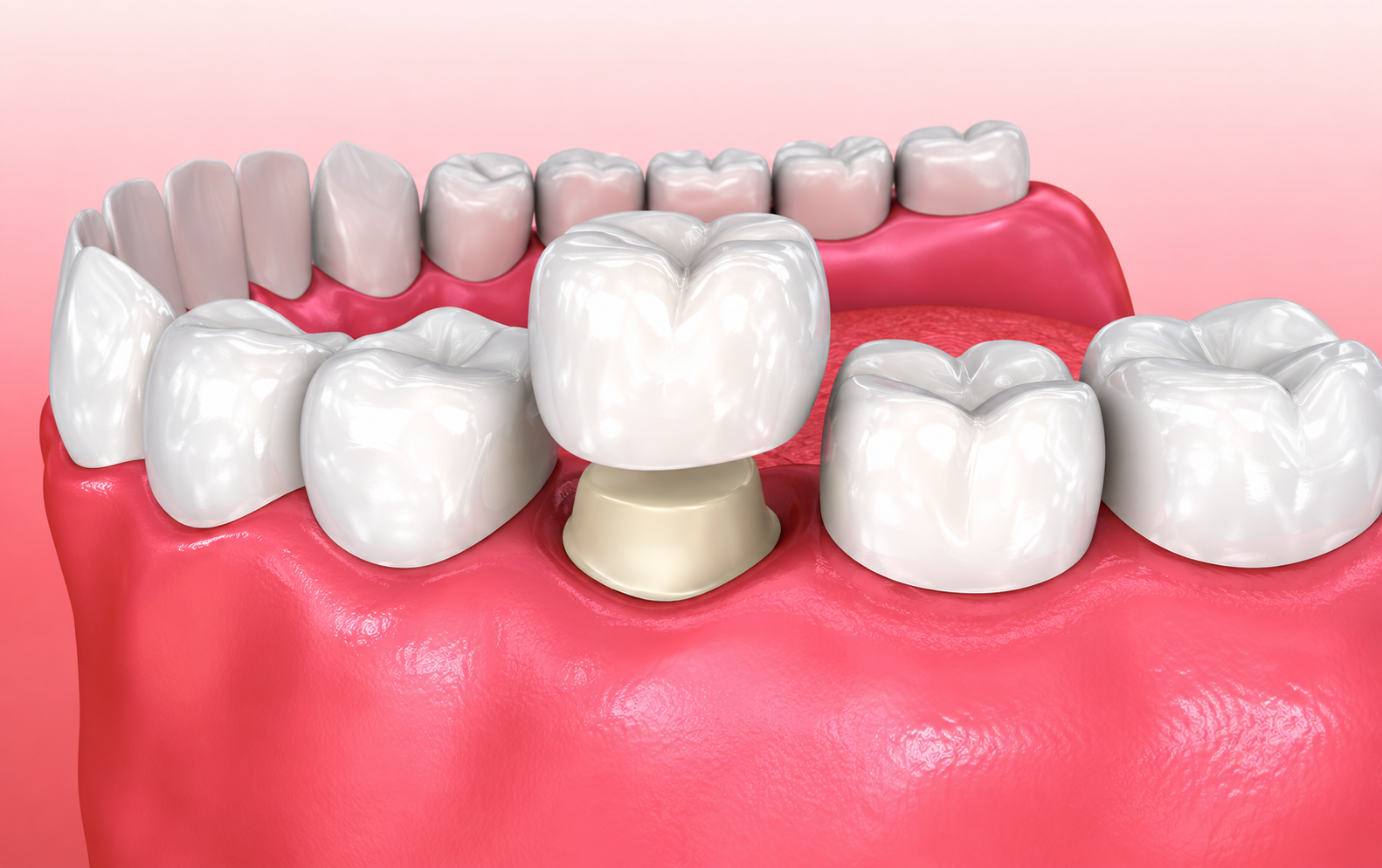
For extensive decay or weakened tooth, you may need a
crown — a custom-fitted covering that replaces your tooth’s entire natural crowns.
Your dentist removes the decayed particles of your tooth and makes sure the structure provides a good fit for the crown replacement. Crowns may be made of gold, high strength porcelain, resin, porcelain fused to metal or other materials.
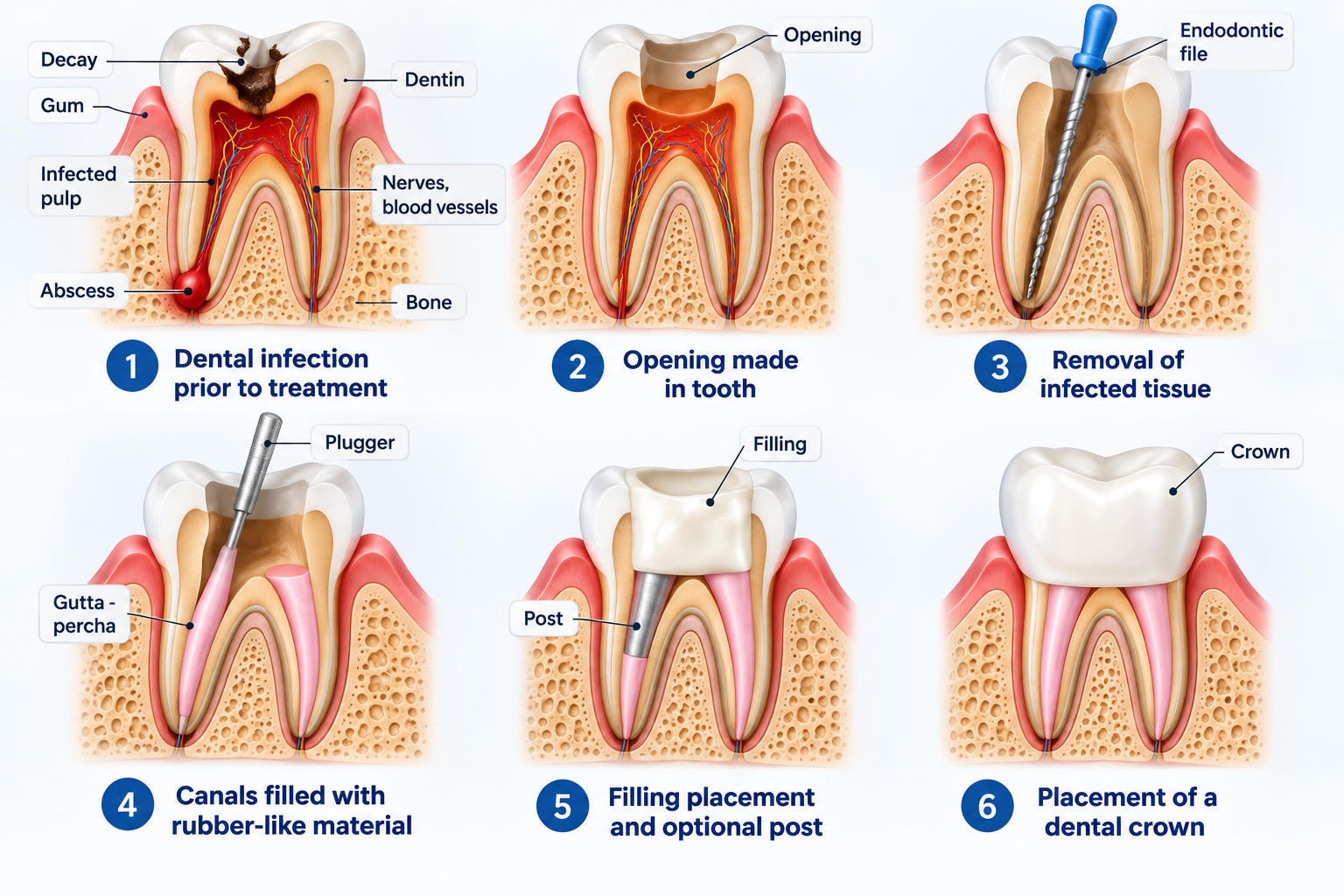
When decay reaches the inner layer of your tooth (pulp), you may need a root canal. This is a procedure to repair and save a badly damaged or infected tooth instead of removing it. The diseased tooth pulp is removed. Medication is sometimes placed into the root canal to clear any infection. Then the pulp is replaced with a filling.
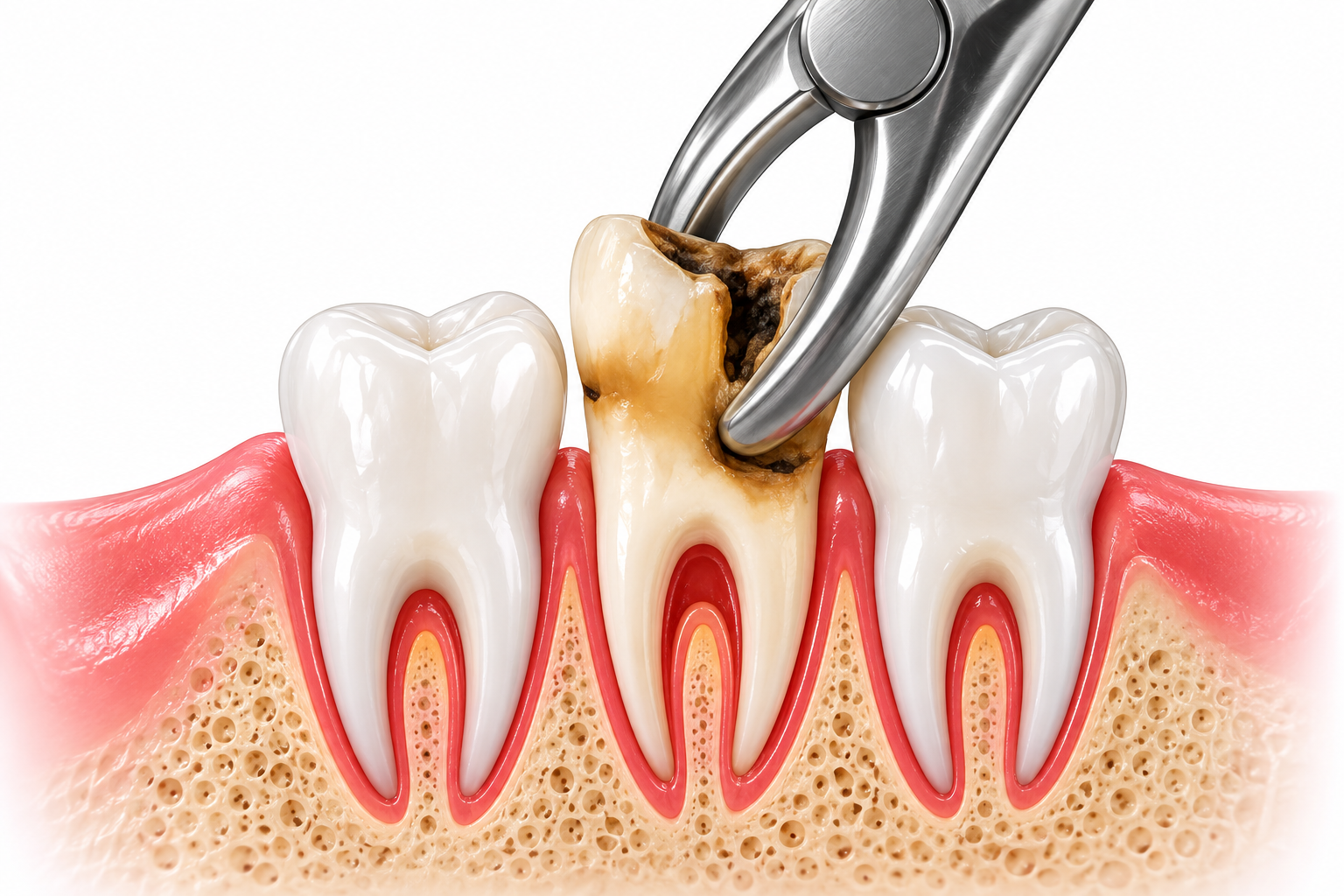
Some tooth become so severely infected that they can’t be restored and must be removed. Having a tooth removed can leave a gap that allows your other teeth to shift. If possible, consider getting a dental bridge or a dental implant to restore the missing tooth.
Can I prevent toothache?
In about 95% of cases, the pain of tooth decay is avoidable.
A good oral hygiene routine at home is important. These days there are great products on the market that help to maintain a healthy mouth such as fluoride toothpaste, mouth wash, floss, interdental brushes, and some people swear by tongue scraping too. It is worth considering investing in an electric toothbrush too.
Parents and guardians have a duty to ensure children and young people look after their teeth. Ask your dentist about fluoride treatments to help strengthen young teeth.
References: