
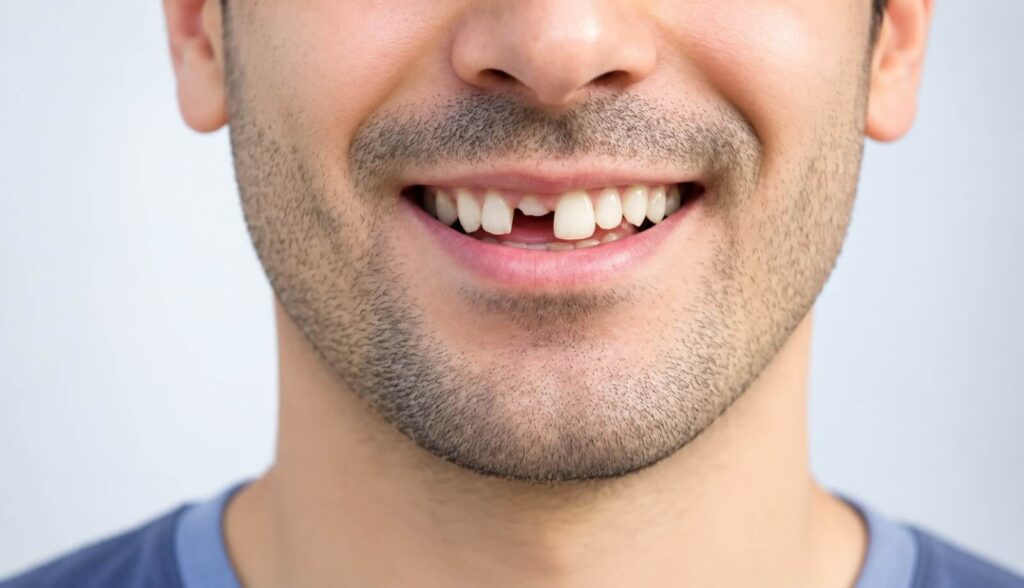
Pain is one of the main reasons why people go to dentists. Any injury to the teeth or gum should not be ignored because nerves and blood vessels can be damaged and it can also lead to an infection.
If an infection is not treated, it can spread to other parts of the head and neck and in certain cases can be life-threatening. Hence one must visit a dentist as soon as a dental emergency occurs.
Dentists today are skilled to deal with such emergencies. They have knowledge of pain management and ways to restore the teeth. Here are some of the problems that can happen to your teeth after a fall or an accident.
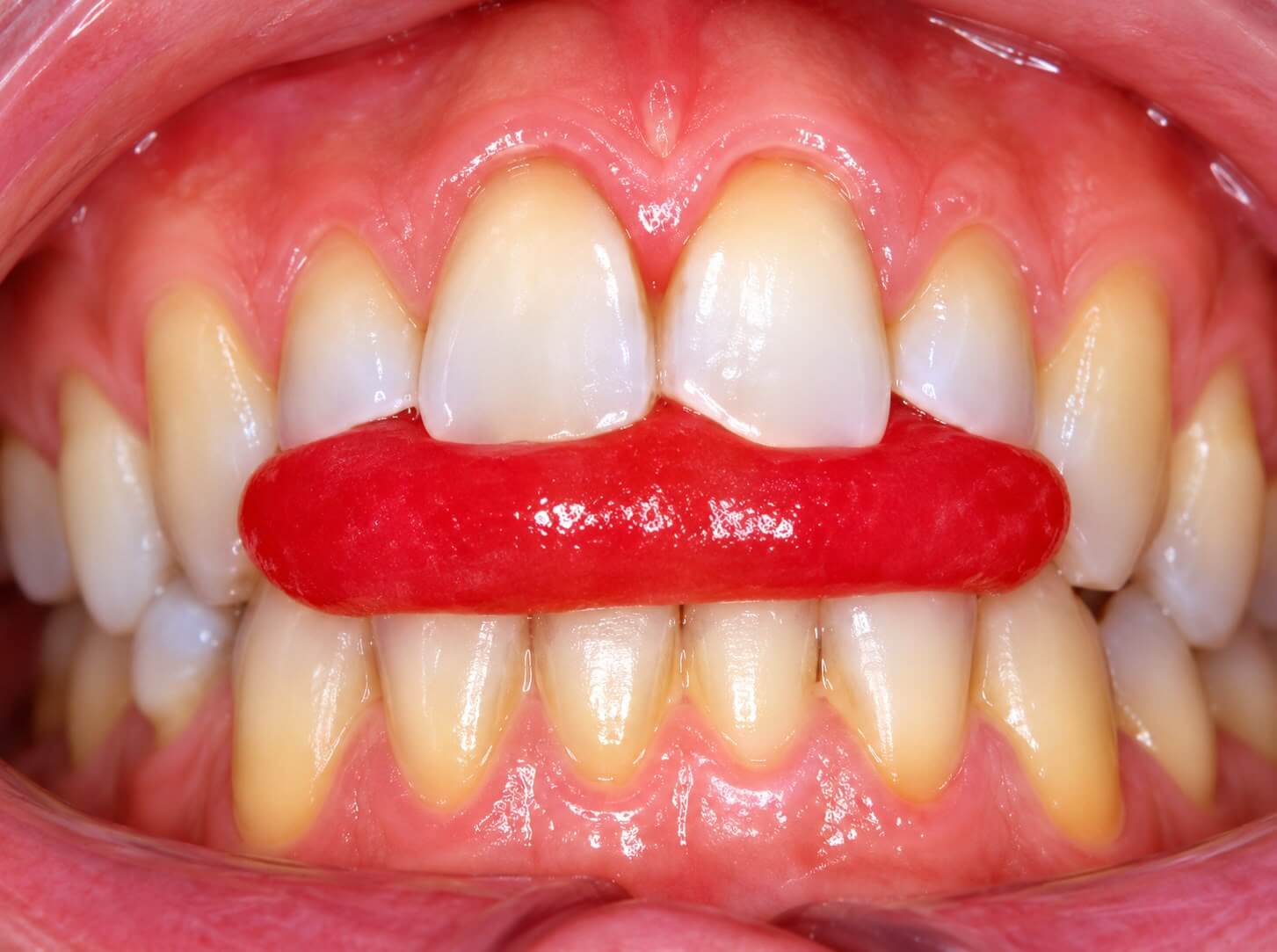 Teeth can be fractured or chipped because of biting down on something hard, being hit on the face or mouth, falling, having dental cavities that weaken the tooth or having large, old amalgam fillings that don’t support the remaining enamel of the tooth.
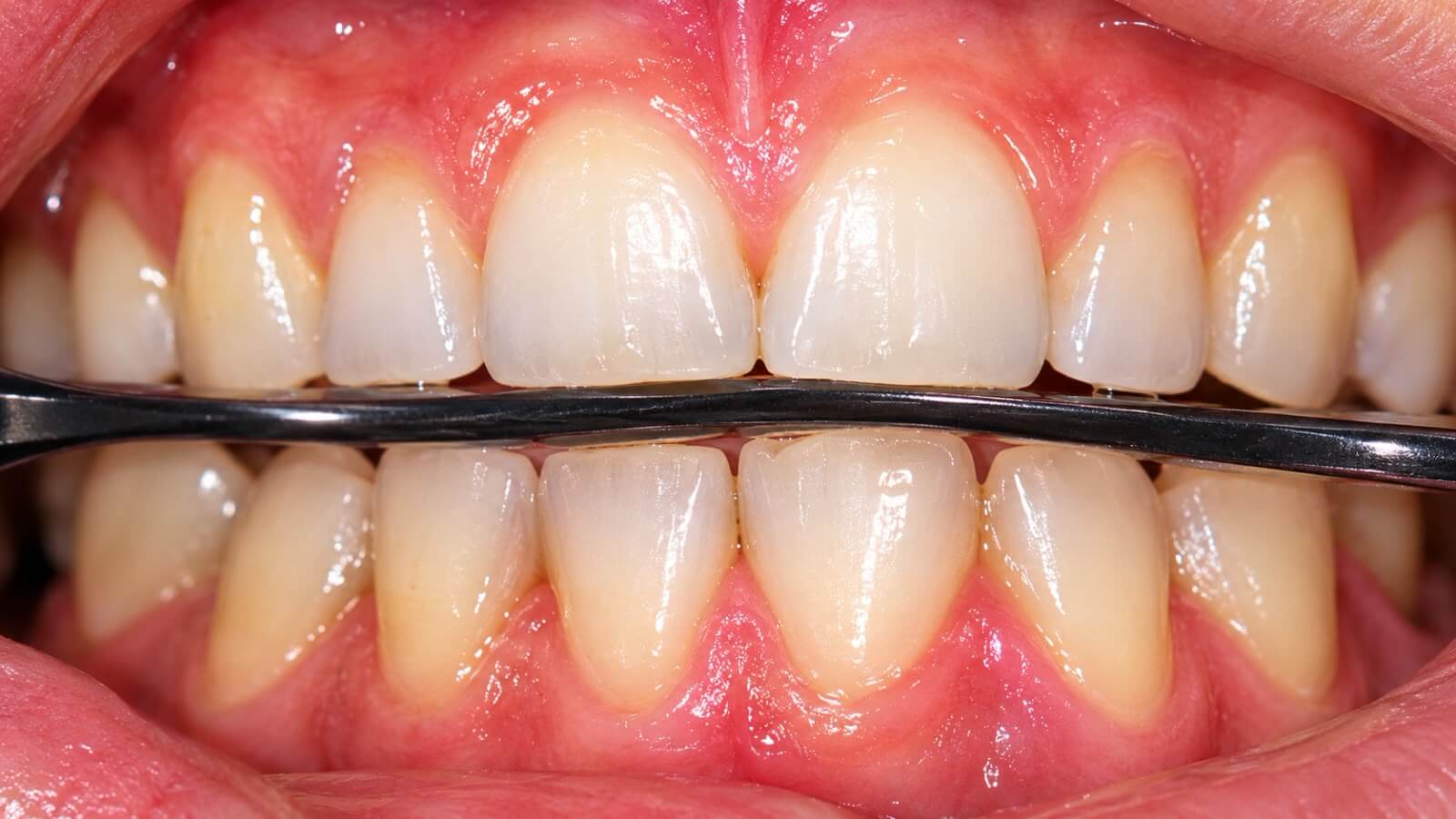 If it is a minor crack which involves only the enamel, your tooth does not need any treatment. All it needs is polishing of the smooth edges. However, if the tooth is cracked as a whole all the way until the nerve or has a minor chip, the tooth needs a restoration along with a cap to prevent the damage from getting worse.
But if the pulp is damaged a root canal treatment is required. In case of a broken cusp, the only restoration is required or a crown.
A broken cusp, however, does not damage the pulp. In case your tooth has split into two parts due to a vertical crack, in the molars that have more than one root, it will be possible to keep one of the roots which would be root canal treatment followed by a cap.
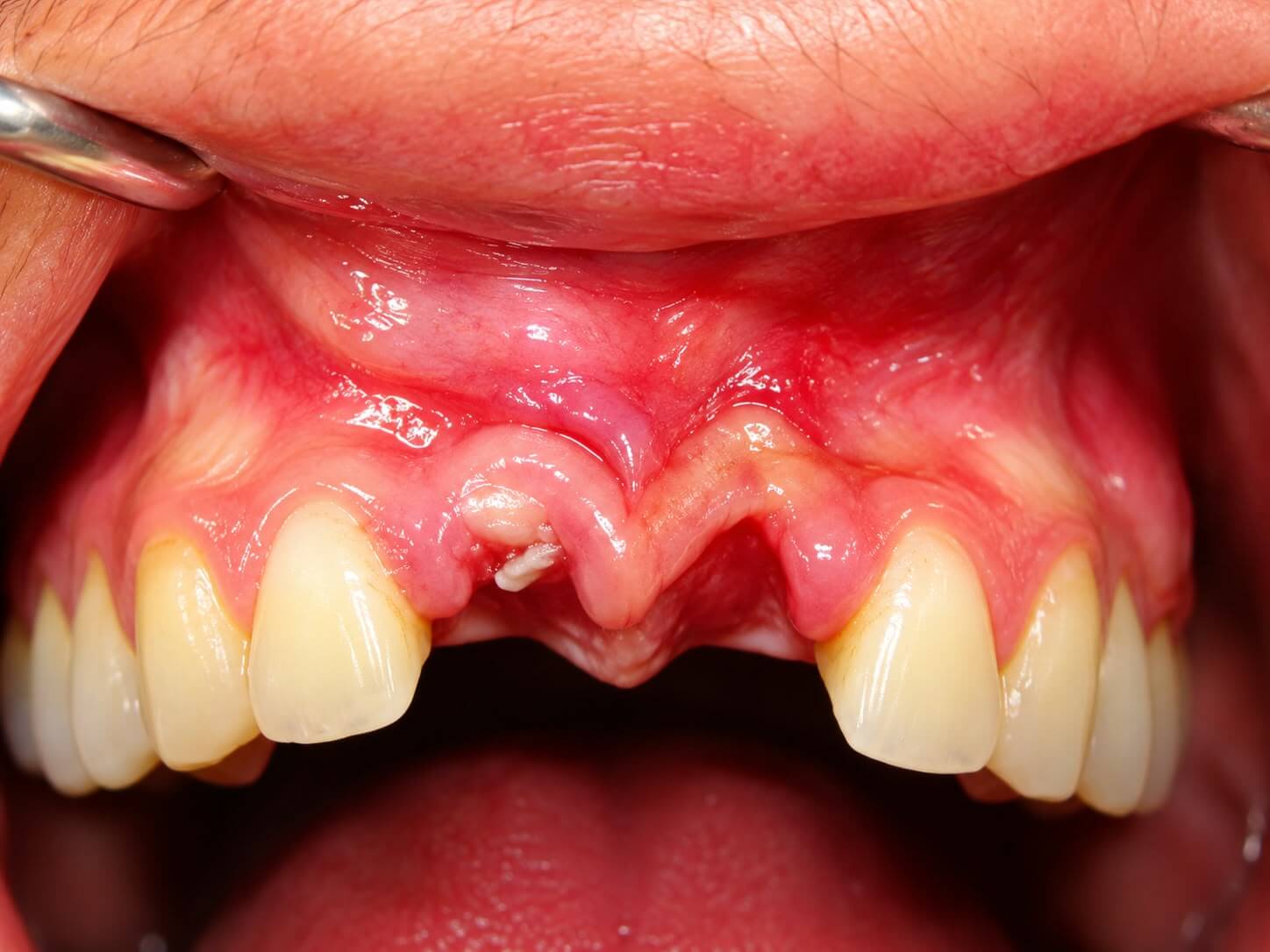 A knocked-out tooth is also known as an avulsed tooth. An avulsion is the complete displacement of a tooth from its socket. The treatment for the permanent tooth is immediate replantation.
However, the milk tooth should be left untreated due to the risk of damaging the permanent tooth and the dental crypt.
What you should do:
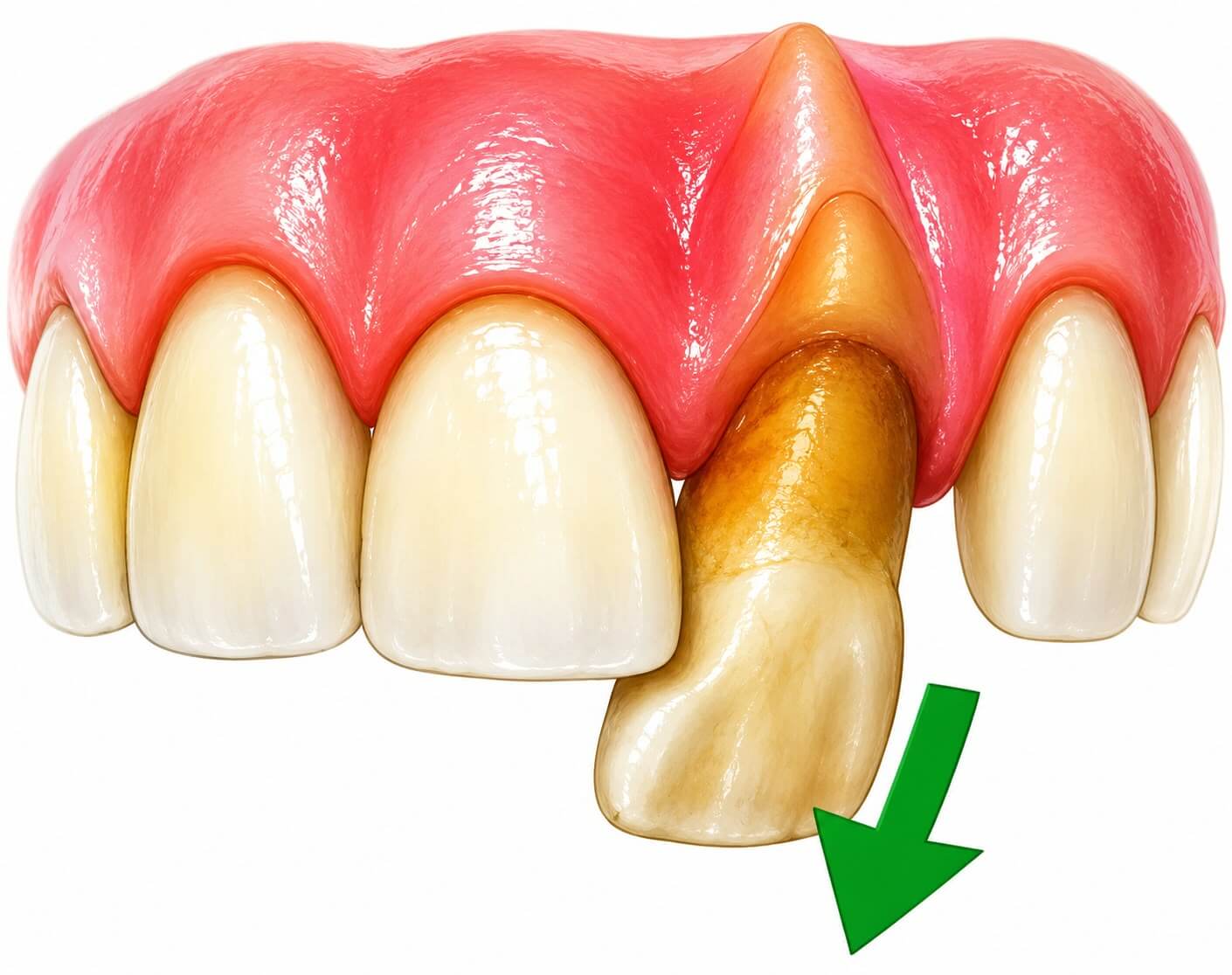 Sometimes a tooth is knocked out or loosened because of an injury. If there is no damage to the tooth, bone and the surrounding blood vessels, the tooth can be saved.
FRACTURED OR CHIPPED TOOTH
Teeth can be fractured or chipped because of biting down on something hard, being hit on the face or mouth, falling, having dental cavities that weaken the tooth or having large, old amalgam fillings that don’t support the remaining enamel of the tooth.
What you can do:
There is no way to treat a chipped tooth at home, one must visit their dentist. It may not pain but there could be sensitivity to hot and cold fluids due to nerve damage. Also, there might not be any pain on biting, but it may occur after releasing the bite. In case of a broken tooth see your dentist soon. A damaged nerve requires a root canal. Before you reach the dentist, wash your mouth with warm water and apply pressure with a piece of gauze on any bleeding area till the bleeding stops. Apply a cold pack to the cheeks and the lips over the broken tooth. This helps reduce any pain or swelling. If in excess pain take a pain killer. What your dentist can do:
If it is a minor crack which involves only the enamel, your tooth does not need any treatment. All it needs is polishing of the smooth edges. However, if the tooth is cracked as a whole all the way until the nerve or has a minor chip, the tooth needs a restoration along with a cap to prevent the damage from getting worse.
But if the pulp is damaged a root canal treatment is required. In case of a broken cusp, the only restoration is required or a crown.
A broken cusp, however, does not damage the pulp. In case your tooth has split into two parts due to a vertical crack, in the molars that have more than one root, it will be possible to keep one of the roots which would be root canal treatment followed by a cap.
KNOCKED OUT TOOTH
A knocked-out tooth is also known as an avulsed tooth. An avulsion is the complete displacement of a tooth from its socket. The treatment for the permanent tooth is immediate replantation.
However, the milk tooth should be left untreated due to the risk of damaging the permanent tooth and the dental crypt.
What you should do:
- Rinse the tooth under tap water.
- Hold the tooth only by its crown surface and not by the root, to prevent any damage of cells or fibers on the root surface.
- Immediately try re-implanting the tooth.
- If re-implantation does not happen at home, then place the tooth in your mouth in your vestibule and take it to the dentist. This is contraindicated in children. In such cases, the tooth can be carried in milk.
- Always remember the tooth must be re-implanted in 40 minutes for the best prognosis.
- If multiple teeth are knocked off, its best not to attempt at placing the tooth in its sockets because the person will not know what tooth to place in which socket. Also, it’s important to remove all the debris from the tooth before its placement. Hence an immediate visit to a dentist is more advisable.
PARTIALLY DISLODGED TOOTH
Sometimes a tooth is knocked out or loosened because of an injury. If there is no damage to the tooth, bone and the surrounding blood vessels, the tooth can be saved.


